Every week brings new economic headlines. Energy policy. Interest rates. Artificial intelligence. Global politics.
For self-storage owners and investors, the challenge is not access to information. It’s understanding what actually matters to asset performance and long-term value.
Here is what we are watching.
ENERGY
China has made its goal of energy independence clear. While that may seem distant from self-storage, energy policy influences construction costs, operating expenses, supply chain pricing, and capital markets.
Over time, shifts in global energy alignment impact development feasibility and replacement cost assumptions across commercial real estate.
THE FEDERAL RESERVE
The Federal Reserve has chosen to hold steady. No rate cuts. No hikes.
This signals continued balance between inflation control and economic stability. Markets often move ahead of policy, and today’s environment rewards operators who are prepared rather than reactive. Capital remains available, but underwriting discipline remains tight.
ARTIFICIAL INTELLIGENCE
More than 60 percent of small businesses now use AI in some capacity. In self-storage, this is no longer experimental.
AI is being applied to pricing models, marketing optimization, customer communication, revenue forecasting, and underwriting analysis. Operators who adopt it strategically may gain measurable advantages in cost efficiency and data visibility.
At the property level, however, national narratives do not always reflect local realities.
Many operators are still navigating:
- Elevated insurance premiums
- Property tax reassessments
- Slower rental velocity in select markets
- Increased marketing costs
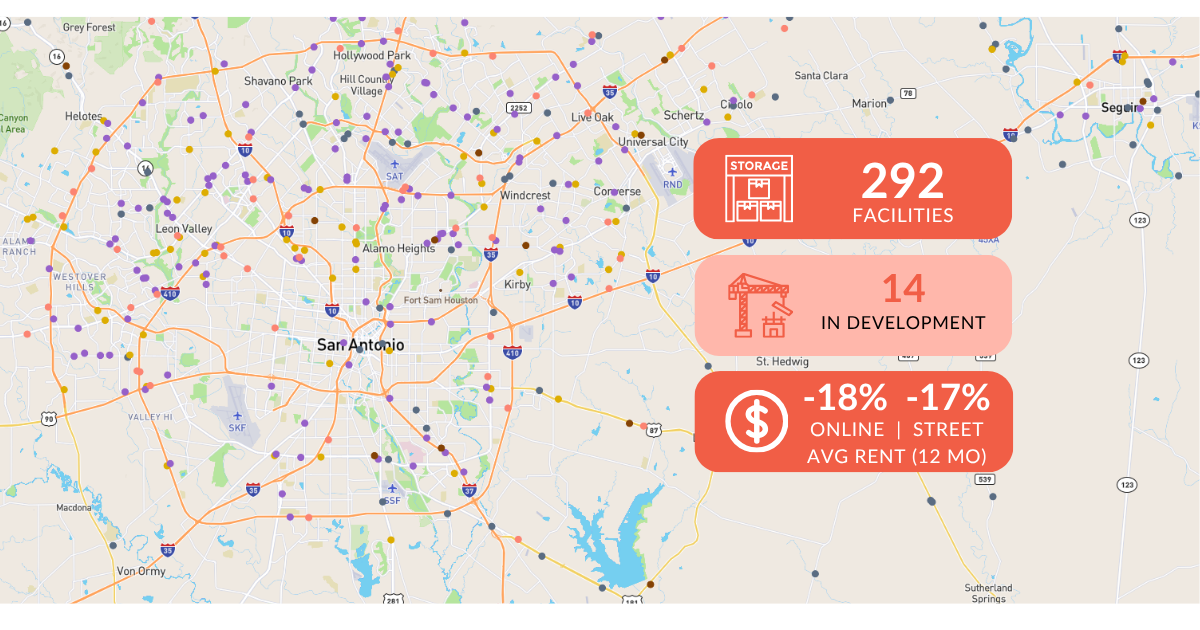
Self-storage remains fundamentally local. Five-mile trade areas tell a more accurate story than national averages.
Why This Matters Now
Economic data continues to show widening wealth distribution across the United States. Consumer behavior reflects both resilience and strain, often simultaneously.
That divide influences demand patterns, pricing sensitivity, and long-term market positioning.
The critical question for owners is not simply where the national market stands today.
It is where their specific trade area is headed next.
Will demand in your five-mile radius be driven primarily by discretionary consumption and mobility, or by households consolidating and downsizing?
That distinction will shape occupancy trends, rental rate growth, and asset valuation far more than headlines alone.
Self-storage remains a resilient asset class. But resilience alone does not maximize value.
Owners who understand their local demand drivers, cost structure, capital position, and exit options are better equipped for whatever the next cycle brings.
Clarity in uncertain markets is not about urgency. It is about preparation.
Source: Sauls Commercial Real Estate