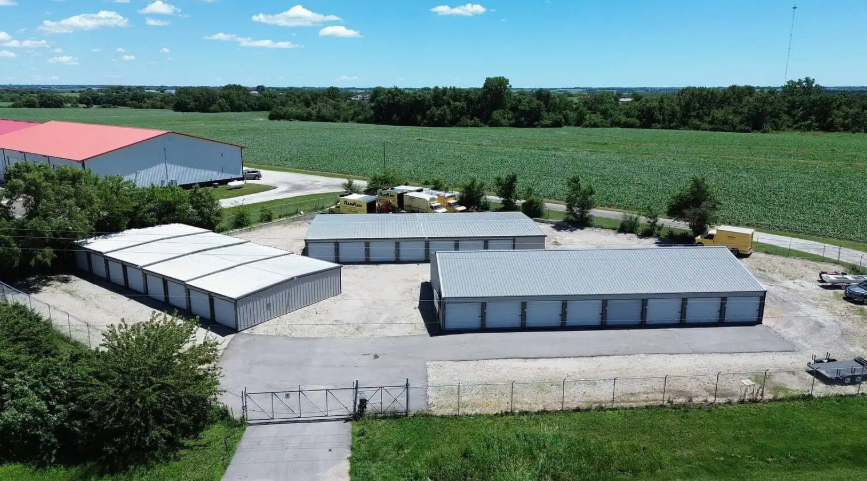
Self-storage facilities are designed to store belongings—not serve as housing. However, operators occasionally encounter situations where tenants attempt to use storage units as living spaces.
Beyond violating lease agreements, this practice can create serious safety, legal, insurance, and liability concerns for facility owners. Living in a storage unit can increase the risk of fire, property damage, criminal activity, health hazards, and injuries, all of which can expose owners to significant risk.
Fortunately, there are several proactive steps operators can take to discourage unauthorized occupancy and maintain a safe, professional facility.
1. Establish Clear Lease Policies
Prevention starts with a strong lease agreement.
Every rental contract should clearly state that living, sleeping, or residing in a storage unit is strictly prohibited. These provisions should be easy to understand and reviewed with tenants during the move-in process.
Clear policies establish expectations from the beginning and provide operators with a strong foundation for enforcement if issues arise later.
2. Conduct Regular Property Inspections
Routine property inspections are one of the most effective ways to identify potential issues before they become major problems.
During inspections, managers should watch for signs such as:
- Bedding or mattresses
- Appliances
- Food preparation items
- Excessive personal belongings outside units
- Unusual activity patterns
Regular inspections help ensure that the facility remains compliant with its intended use while also identifying maintenance and security concerns.
3. Monitor Access Activity
Modern access control systems provide valuable insight into tenant behavior.
If a tenant repeatedly enters the facility late at night, remains on-site for extended periods, or visits multiple times throughout the day, it may warrant further review.
Access reports can help managers identify unusual activity and address concerns before they escalate.
4. Invest in Quality Surveillance Systems
Security cameras serve both as a deterrent and an investigative tool.
A properly designed camera system should monitor:
- Entrance and exit gates
- Drive aisles
- Hallways
- Elevators
- Common areas
Video footage can help verify suspicious activity while improving overall security for tenants and staff.
5. Improve Facility Lighting
Well-lit properties are safer, more secure, and less attractive to individuals attempting to use units for unauthorized purposes.
Operators should ensure adequate lighting around:
- Gate entrances
- Building exteriors
- Hallways
- Walkways
- Unit doors
Good lighting not only discourages inappropriate activity but also improves the customer experience and creates a more professional appearance.
6. Utilize Secure Access Controls
Controlled access systems are a critical component of facility security.
Keypad access, keycard systems, and mobile entry technology allow operators to monitor who enters the property and when.
Limiting access to authorized tenants helps reduce unauthorized use while providing an additional layer of accountability throughout the facility.
7. Communicate Policies Regularly
Many operators discuss facility rules during move-in but rarely revisit them afterward.
Periodic reminders through:
- Email newsletters
- Tenant notices
- Website updates
- On-site signage
can reinforce expectations and remind tenants that management actively monitors and enforces facility policies.
Consistent communication often prevents misunderstandings and encourages compliance.
8. Watch for Behavioral Changes
Managers should pay attention to noticeable changes in tenant behavior.
Potential warning signs may include:
- Extended visits to the property
- Frequent use of common areas
- Increased activity during overnight hours
- Storage of items commonly associated with living accommodations
While these observations alone may not indicate a violation, they can signal the need for further investigation.
9. Enforce Policies Consistently
If a tenant is found violating facility rules, operators should respond promptly and consistently.
Having a documented enforcement process helps ensure that violations are handled fairly and professionally while protecting the interests of the facility.
Owners should always follow applicable state and local laws when addressing lease violations and pursuing tenant removal when necessary.
10. Offer Resources When Appropriate
In some situations, tenants may be experiencing financial hardship, housing instability, or personal challenges.
While storage facilities cannot serve as housing, operators can maintain professionalism and compassion by directing individuals to local housing assistance programs, shelters, or community resources.
Providing information about available support services may help resolve the situation while protecting both the tenant and the facility.
Protecting Your Facility and Your Investment
Preventing unauthorized occupancy requires a combination of strong policies, consistent management, effective security measures, and proactive communication.
The most successful operators establish clear expectations, monitor activity regularly, and address potential issues before they become larger problems. By doing so, they create a safer environment for tenants, reduce liability, and protect the long-term value of their investment.
Looking to Buy, Sell, or Improve a Self-Storage Facility?
Whether you’re an experienced operator or a first-time investor, Calvary Realty specializes in helping self-storage owners maximize the value of their assets nationwide.
Contact:
Brandon Robinson (National Director), Ingla Robinson (Vice President of Operations)
Source: Calvary Realty