 Understanding where self-storage demand is strongest can help investors, developers, and operators make more informed decisions when evaluating new markets. While self-storage has become a nationwide asset class, usage rates vary by region due to differences in population growth, housing density, mobility, and lifestyle.
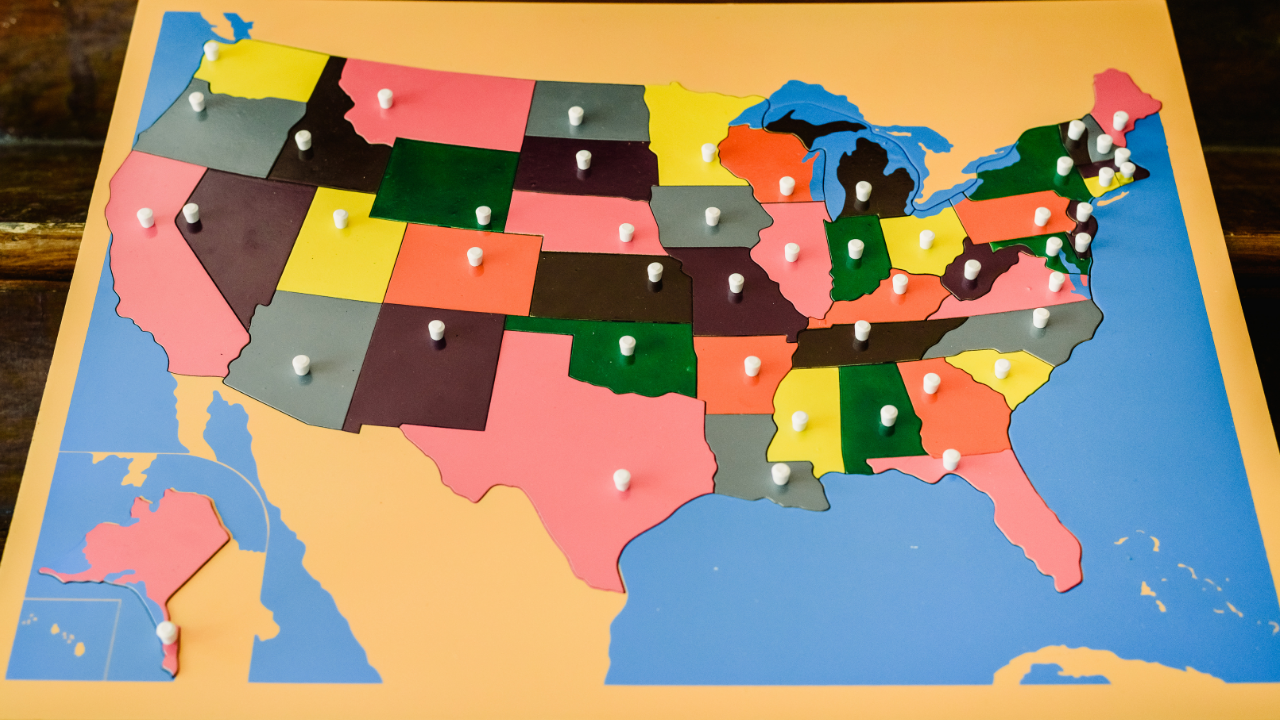
According to data from the Self Storage Demand Study, the South leads the nation in self-storage usage, followed by the West, Midwest, and Northeast. Here’s a closer look at what drives demand in each region.
1. The South Leads the Nation
The South has both the highest percentage of households using self-storage and the largest number of users overall. Approximately 12% of the region’s more than 50 million households—about 6.1 million households—rent self-storage units.
Several factors contribute to this strong demand. States such as Texas, Florida, Georgia, and the Carolinas continue to experience rapid population growth, bringing new residents who often need temporary storage during relocations. The region also has a large number of military communities, seasonal residents, and expanding suburban developments, all of which support consistent storage demand.
2. The West Continues to Show Strong Demand
The West ranks second, with 11% of its approximately 30 million households, or roughly 3.3 million households, utilizing self-storage.
High housing costs in metropolitan areas such as Los Angeles, San Francisco, Seattle, and San Diego often result in smaller living spaces, increasing the need for off-site storage. Frequent job relocations, apartment living, and business storage needs also contribute to steady demand throughout the region.
3. The Midwest Maintains Stable Usage
The Midwest follows closely behind, with 10.2% of its roughly 28 million households, representing about 2.8 million households, using self-storage.
Although housing is generally more affordable than in coastal markets, demand remains healthy. Major metropolitan areas such as Chicago, Indianapolis, Minneapolis, and Columbus continue to generate consistent storage activity driven by downsizing, business inventory storage, life transitions, and seasonal equipment storage.
4. The Northeast Rounds Out the List
The Northeast reports the lowest usage among the four major regions, but demand remains significant. Approximately 9.9% of the region’s more than 22 million households, or about 2 million households, rent self-storage.
Dense urban environments, apartment living, and limited residential storage space help support demand in cities such as New York, Boston, and Philadelphia. Many residents rely on self-storage to supplement smaller living spaces or store seasonal and business-related items.
What This Means for Investors
While every market should be evaluated individually, regional demand trends provide valuable insight into broader investment opportunities. Strong population growth, housing constraints, household mobility, and local economic conditions all influence self-storage demand.
The South’s combination of rapid growth and high utilization helps explain why many investors continue to focus on markets throughout the Southeast and Sun Belt. However, opportunities exist across every region when local supply, competition, demographics, and demand are carefully analyzed.
Understanding where customers are most likely to use self-storage is an important first step in identifying markets with long-term investment potential.
About the Author
 Brandon Robinson is the Co-Owner of Calvary Realty and Drop Zone Storage Centers. He specializes in self-storage investment sales, acquisitions, and facility operations, helping investors evaluate and grow self-storage portfolios throughout the United States.
Source: Calvary Realty