Storage unit doors are among the most frequently used components of any self-storage facility. They not only secure a tenant’s belongings, but they also affect how potential renters perceive your facility, influence operational costs and can even impact long-term property value. Industry experts now emphasize that proper door choice, maintenance and timely replacement are essential parts of facility management.
What Happens When Doors Aren’t Maintained—and When to Replace Instead
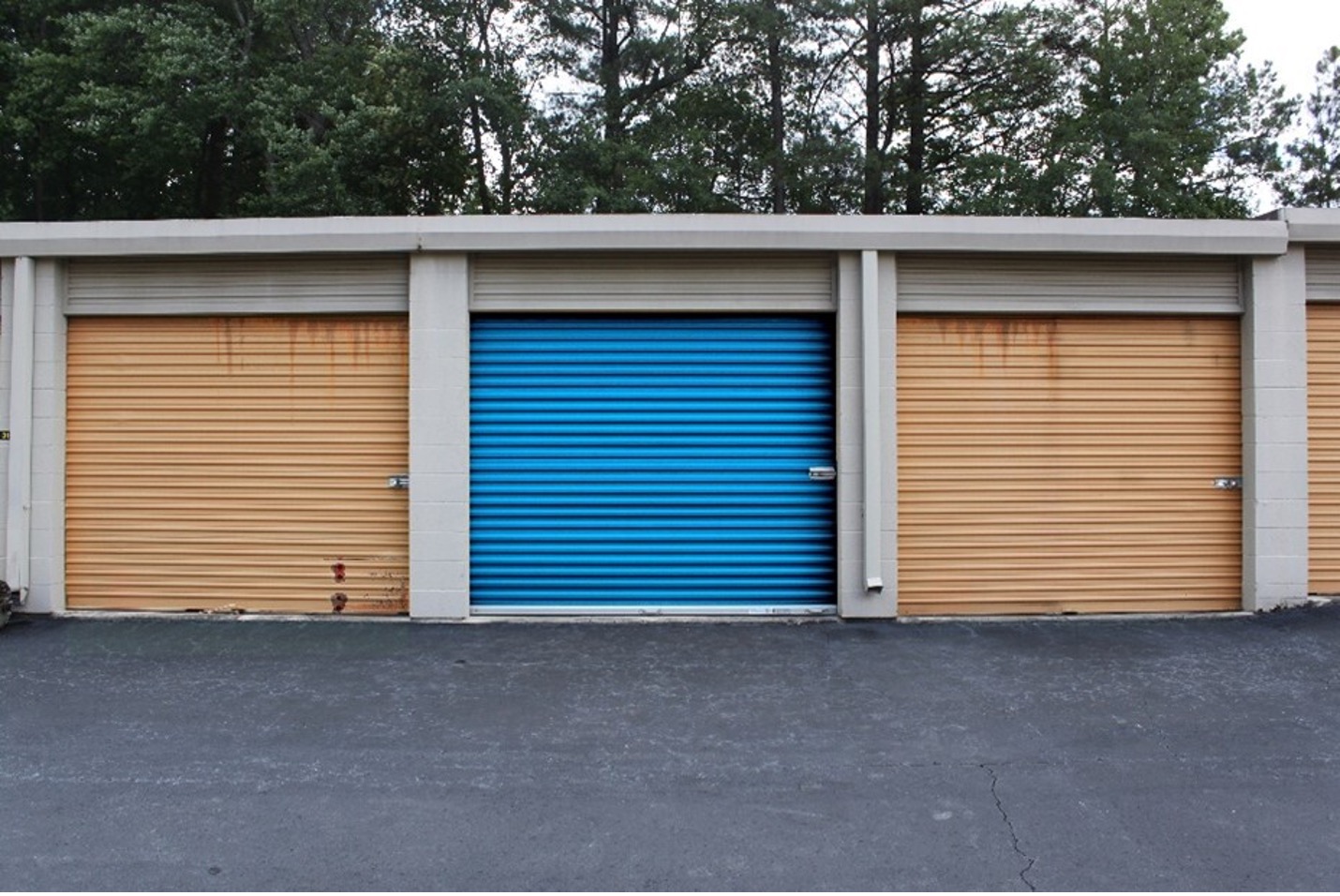
Based on guidance from industry experts like Janus International’s David Alexander, director of National Account Services, there are common problems that emerge when doors are neglected over time. “When you combine heavy usage with environmental factors including rain, hail, wind and extreme temperatures, it’s crucial that your doors be well-maintained, especially if you want them to be safe and have a long, productive life,” says Alexander.
Common issues:
- Wear and tear from constant use: Doors at storage facilities are among the most frequently used building components. Over time, parts like springs, latches, guides and metal curtains degrade.
- Environmental damage: Exposure to sun, rain, wind or temperature variation can cause fading, corrosion, warping or reduced structural integrity.
- Security risks: Old or compromised doors—especially those with damaged or misaligned curtains, worn locks or weak structural components— are more vulnerable to break-ins or forced entry.
- Customer inconvenience or danger: Sticking springs, misaligned guides or heavy doors can make unit operation difficult—frustrating tenants and increasing liability.
Maintenance helps—but isn’t always enough
Routine care (e.g., cleaning, lubricating springs, checking seals and guides, keeping latches secure) can significantly extend door life.
However, even the best maintenance can’t prevent aging, metal fatigue or damage from repeated use and the environment. When doors are over a decade old, badly worn or repeatedly problematic, replacement becomes the most responsible course of action.
How Janus International’s R3 Program Supports Proper Door Replacement
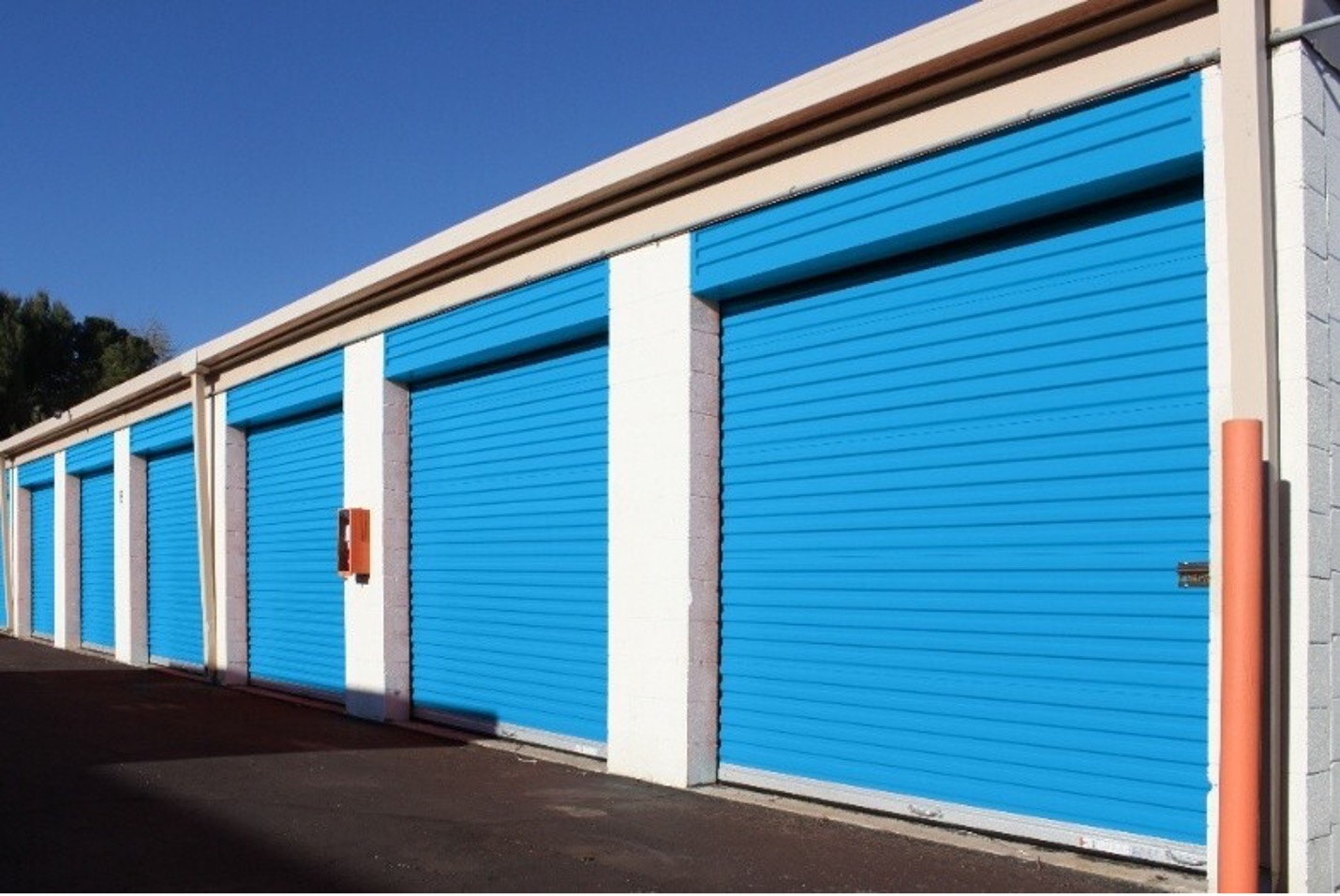
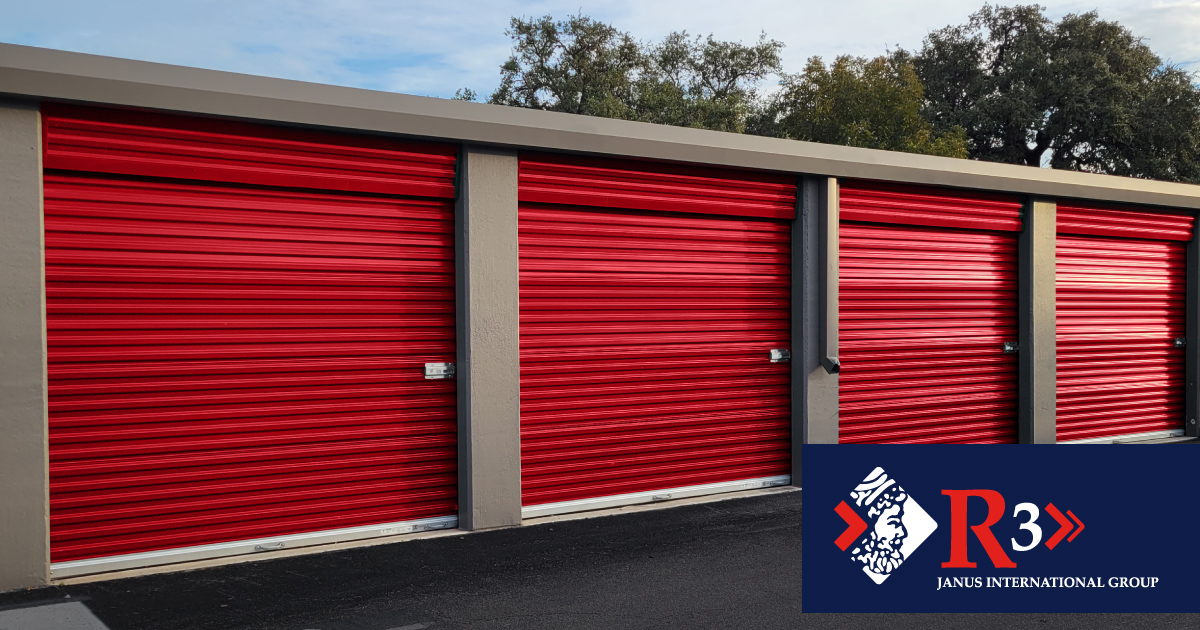
Alexander points out that Janus International created the R3 Program — Restore. Rebuild. Replace.—to provide facility owners with a structured, efficient and scalable way to modernize their property without disrupting operations.
- Restore
Ideal for minor issues:
- Replace damaged parts
- Update latches/hardware
- Correct simple operational problems
- Rebuild
For doors still salvageable:
- Replace guides
- Update components
- Reinforce weather protection
- Replace
Best for outdated or unsafe doors:
- New roll-up or swing doors
- Factory-lubricated enclosed springs
- Torque-tube assemblies
- Modern, weather-resistant finishes
- Enhanced safety, ADA compliance and improved security
Janus manages installations, coordinates on-site work, handles disposal and completes projects in phases to avoid tenant disruption.
Door Replacement Is a Strategic Investment
Storage doors influence safety, customer experience, operational efficiency and long-term financial performance. By combining industry research with structured upgrade programs like R3, facility owners can take an informed and proactive approach to maintaining and modernizing their properties.
Door replacement isn’t just an aesthetic improvement. It’s a strategic upgrade that supports:
- Better tenant satisfaction
- Reduced liability
- Higher rent potential
- Lower long-term maintenance costs
- Increased facility value
Ready to immediately spike curb appeal and the value of your facility? R3’s Janus door replacement program allows you to quickly replace aging doors—up to 25 doors installed in less than 24 hours.
 Watch the Video