 As temperatures drop, customers may begin asking whether they need a heated or climate-controlled storage unit. For self-storage operators, these conversations are a good opportunity to help customers understand the difference between available unit types and select the option that best fits what they plan to store.
While the terms are sometimes used interchangeably, heated storage and climate-controlled storage can provide different levels of environmental protection.
Understand the Difference
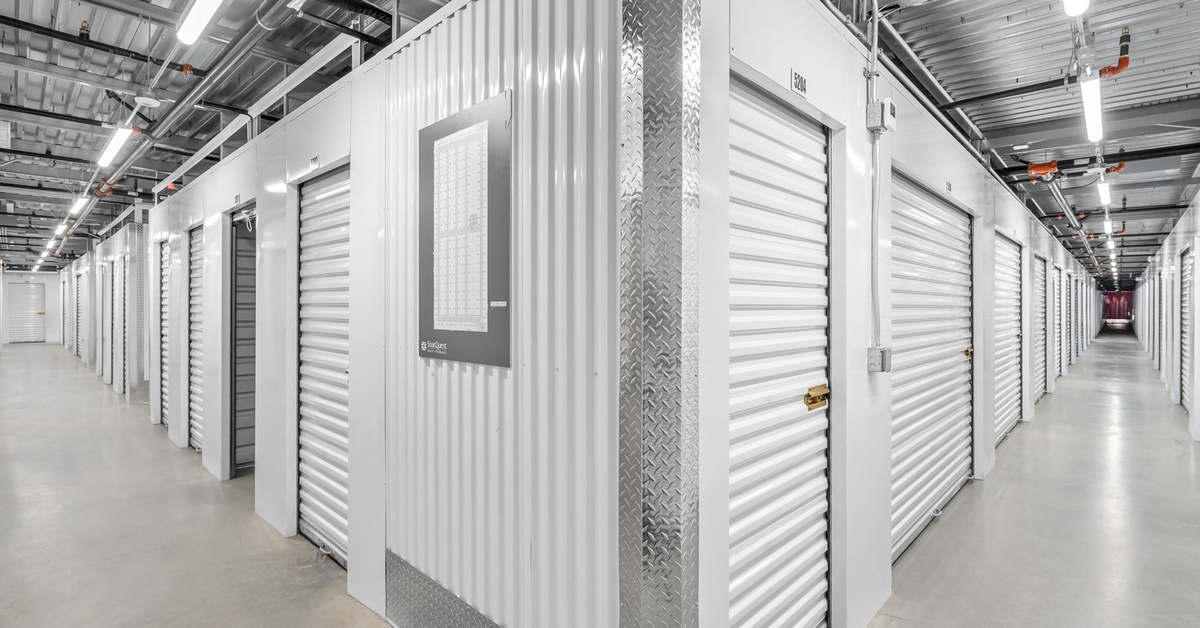
Heated storage is generally designed to help protect belongings from very cold or freezing temperatures. Climate-controlled storage, meanwhile, typically helps moderate significant temperature fluctuations throughout the year.
Depending on the facility and market, climate-controlled spaces may include heating, cooling, humidity management, or a combination of these features. Because offerings vary, operators should be clear about exactly what environmental controls are available at their property rather than relying solely on the term “climate controlled.”
Helping customers understand those distinctions can set clearer expectations before move-in.
Consider What the Customer Is Storing
One of the simplest ways to help customers decide whether they need additional environmental protection is to ask what they plan to store and how sensitive those belongings may be to temperature or humidity changes.
Items that may benefit from a more controlled environment include:
- Wooden or leather furniture
- Electronics and computer equipment
- Musical instruments
- Artwork and photographs
- Important records and documents
- Clothing and other textiles
- Certain appliances and household items
Length of stay can also matter. A customer storing belongings for several months or through multiple seasons may have different needs than someone renting for a short-term move.
Look Beyond Temperature Control
Environmental protection is only one part of the storage experience. Customers should also consider the overall condition and features of the facility.
Lighting, controlled access, video surveillance, perimeter security, cleanliness, and accessibility can all influence how comfortable a customer feels storing belongings at a particular location.
Facility teams also play an important role. Asking a few questions about what the customer plans to store, how frequently they expect to access the unit, and how long they anticipate renting can help guide them toward an appropriate solution.
Once a customer selects the right space, providing guidance on how to organize a storage unit for easy access can also help them get more value from their rental.
Education Builds Confidence
Operators do not need to make the decision for the customer. Instead, the goal should be to provide enough information for renters to make an informed choice.
Resources on topics such as decluttering and organization can also help operators continue educating customers beyond the initial rental conversation.
As winter approaches, proactively explaining the difference between heated, climate-controlled, and traditional storage can simplify the rental process while helping customers better understand how different environments may affect their belongings.
Clear education ultimately creates better expectations, more confident renters, and a stronger overall customer experience.